









Need a quick answer?
Chat is unavailable right now. Please try again shortly.
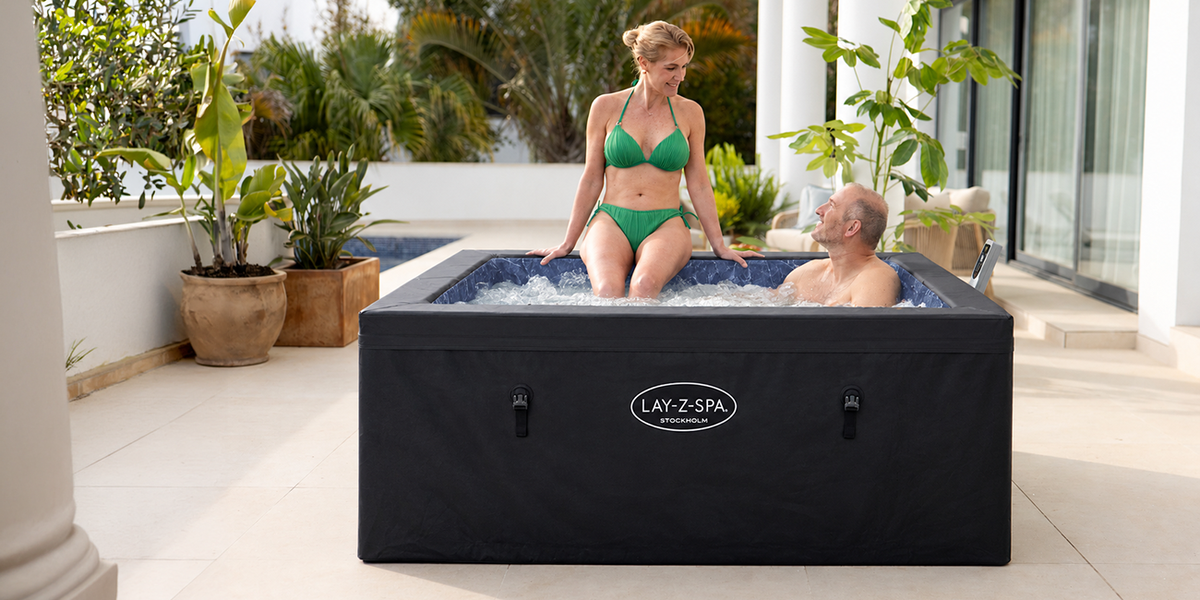
Beyond the feeling of relaxation, could using a hot tub also offer physical health benefits? Scientists are increasingly interested in the effects of heat on our bodies, particularly how hot water immersion might complement regular exercise.
Scientific research from Coventry University, using a Lay-Z-Spa hot tub, suggests that spending time in warm water after exercise could offer surprising benefits for cardiovascular health.
In a 2025 study published in The Journal of Physiology, researchers found that combining moderate exercise with hot water immersion led to greater improvements in certain measures of blood pressure and blood vessel function than exercise followed by immersion in cooler water.
What did the Coventry University hot tub study discover?
Researchers associated with the Centre for Physical Activity, Sport and Exercise Sciences at Coventry University, alongside collaborating institutions, investigated whether spending time in hot water after exercise could provide additional cardiovascular health benefits.
The study involved 24 physically inactive, middle-aged adults, aged between 45 and 60, who completed eight weeks of supervised exercise followed by water immersion. Half the group at 40°C, the other half at 34°C. This is what they found:
- Improved blood pressure: Participants who used hotter water experienced greater reductions in certain blood pressure measurements.
- Improved blood vessel function: Hot water immersion was associated with greater improvements in how effectively blood vessels widened in response to blood flow.
- Improved perceived physical health: Participants in the hot water group reported greater improvements in their self-assessed physical wellbeing.
These findings suggest that hot water immersion after exercise may offer additional cardiovascular benefits as part of an active lifestyle. Importantly, the study investigated hot water immersion after exercise, rather than hot tub use on its own.
"Typically, as we get older, we do less and less exercise, and we increase our risk of cardiovascular disease, so we chose participants in middle age because it’s the perfect time to get the benefits. It could maximise the positive effects of the exercise that people in this group are doing.
We deliberately chose a simple method, using a commercial hot tub and only applying a modest level of heat, because we want this study to be applicable in the real world. We wanted it to be something that normal people might be able to incorporate into their lives to potentially improve their health.
Having the comparison group was a real strength to the study as it means we are able to show that participants experienced additional benefits because of the heating and didn’t simply gain the benefits from just the exercise alone.
We found that heating provided benefits to cardiovascular health by lowering blood pressure and improved endothelial function, which is another important measure of cardiovascular health. While it is important to say all participants experienced benefits to their aerobic fitness, we did not see any additional improvements in aerobic fitness between either group. Equally we didn’t see any difference in inflammatory response." - Dr Tom Cullen, Assistant Professor, Centre for Sport, Exercise and Life Sciences, Coventry University
How was the hot tub research conducted?
To understand the potential health benefits of hot water immersion, the researchers compared two groups completing the same exercise programme but bathing at different water temperatures, during an eight-week study.

|
Study detail |
Research protocol |
|
Participants |
24 physically inactive adults, average age 58 |
|
Duration |
8 weeks |
|
Exercise |
30 minutes of moderate-intensity aerobic exercise |
|
Water immersion |
30 minutes immediately after exercise |
|
Frequency |
24 sessions over 8 weeks |
|
Hot water group |
40°C |
|
Comparison group |
34°C |
|
Hot tub used |
Lay-Z-Spa Majorca |
Both groups completed the same exercise routine. The difference was the temperature of the water they entered afterwards.
The researchers used a Lay-Z-Spa hot tub to deliver both water immersion conditions, carefully controlling the temperature and immersion depth throughout the study.
By comparing participants using 40°C water with those using 34°C water, the researchers could investigate the additional effects of heat, rather than simply comparing hot tub use with no water immersion.
They then measured several indicators of health, including blood pressure, blood vessel function, cardiovascular fitness and markers of metabolic health.
This approach allowed the researchers to understand which health improvements were associated with the additional heat.

Can hot tubs after exercise help cardiovascular health?
The Scientific research suggests that hot water immersion after exercise may help improve blood pressure and support healthy blood vessel function. In the Coventry University study, participants who exercised and then spent time in 40°C water experienced greater improvements in certain cardiovascular health measures than those using cooler, 34°C water.
After eight weeks, the hot water group experienced an average 6 mmHg reduction in mean arterial blood pressure, compared with 2 mmHg in the cooler-water group. Researchers also found greater improvements in diastolic blood pressure.
The study also identified improvements in blood vessel function. When exposed to heat, blood vessels naturally widen to increase blood flow and help regulate body temperature. Researchers found that participants in the hot water group experienced a 2.33 percentage-point greater improvement in flow-mediated dilation, a scientific measure of how effectively arteries widen in response to increased blood flow.
These findings suggest that regular hot water immersion after exercise may offer additional benefits for cardiovascular health, although further research is needed to understand the long-term effects and whether similar benefits occur from hot tub use alone.
Can using a hot tub improve physical wellbeing?
Participants who exercised and then used hotter water reported greater improvements in their perceived physical health than those in the cooler-water group.
As well as measuring physical changes in the body, the researchers asked participants about their health and quality of life. They used a recognised health questionnaire that assessed various aspects of wellbeing, including physical functioning, general health and vitality.
After eight weeks, the hot water group reported a greater improvement in their overall physical health score, with a five-point difference in the reported measure compared with the cooler-water group. This suggests that the benefits of combining exercise with hot water immersion may extend beyond changes measured through medical equipment.
It's an encouraging result, particularly given the importance of finding healthy routines that people can enjoy and maintain. However, the research specifically demonstrated improvements in perceived physical health. It did not establish that the programme reduced stress, anxiety or depression.
Why Are Scientists Interested in the Health Benefits of Hot Water?
The effects of hot water on the body have become an increasingly interesting area of scientific research. One reason is that exposure to heat can produce certain physiological responses that share similarities with exercise.
When you immerse yourself in warm water:
- Blood vessels near the skin widen to help your body release heat.
- Blood flow to the skin increases as your body responds to the warmth.
- Heart rate can increase as the cardiovascular system works to regulate body temperature.
Scientists refer to this process as passive heating. Unlike physical exercise, passive heating raises body temperature without requiring the same muscular activity.
Although the two activities are not interchangeable, researchers are exploring whether some of the physiological responses to heat could complement those produced by exercise. The Coventry University study provides evidence that this combination may offer additional benefits for specific cardiovascular health measures.

What do these findings mean for hot tub Owners?
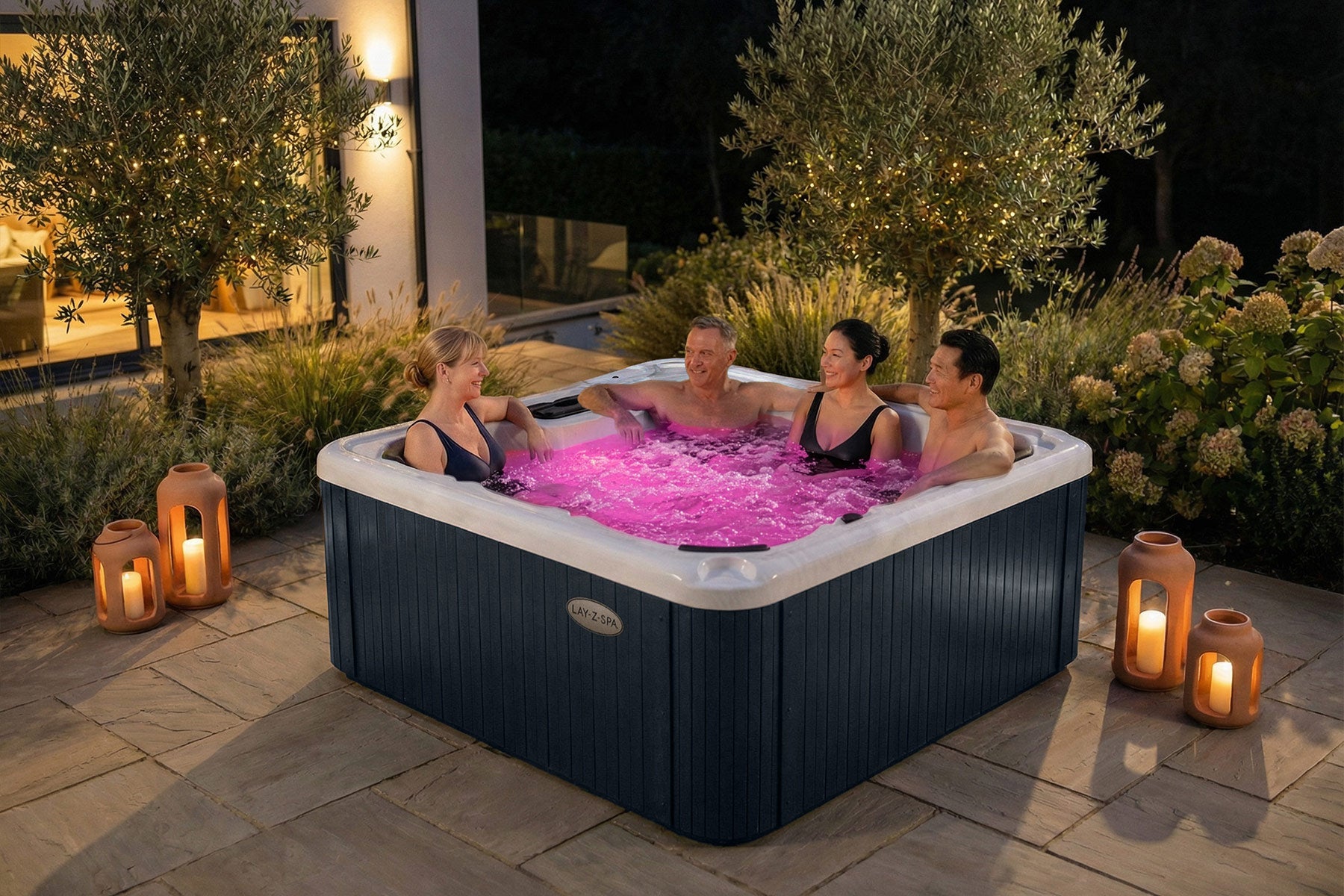
For anyone who enjoys relaxing in a Lay-Z-Spa, this research offers an interesting insight into the science of hot water immersion.
The study shows that researchers are investigating hot water bathing for reasons beyond simple relaxation, including its potential role in supporting cardiovascular wellbeing. And because the researchers used a Lay-Z-Spa, these findings have a particularly relevant connection to anyone using a Lay-Z-Spa after exercise.
However, it's important to remember that the study was conducted under controlled, supervised conditions. The researchers followed a specific eight-week exercise and immersion programme that should not be treated as general advice for everyday hot tub use.
The results are promising, but they do not establish that every Lay-Z-Spa owner will experience the same improvements.
What they do suggest is that hot water immersion is an interesting area of scientific research, particularly when considered alongside the well-established benefits of regular exercise.
And, of course, there's still something special about making time to relax.
Whether it's unwinding after an active day or enjoying a peaceful moment outdoors, a Lay-Z-Spa offers a place to step away from everyday demands and enjoy the soothing experience of warm water.
Discover more about the science and benefits of warm water in our Health & Wellbeing blogs.

